Stop Your Brain From Working Against You
Stop Your Brain From Working Against You
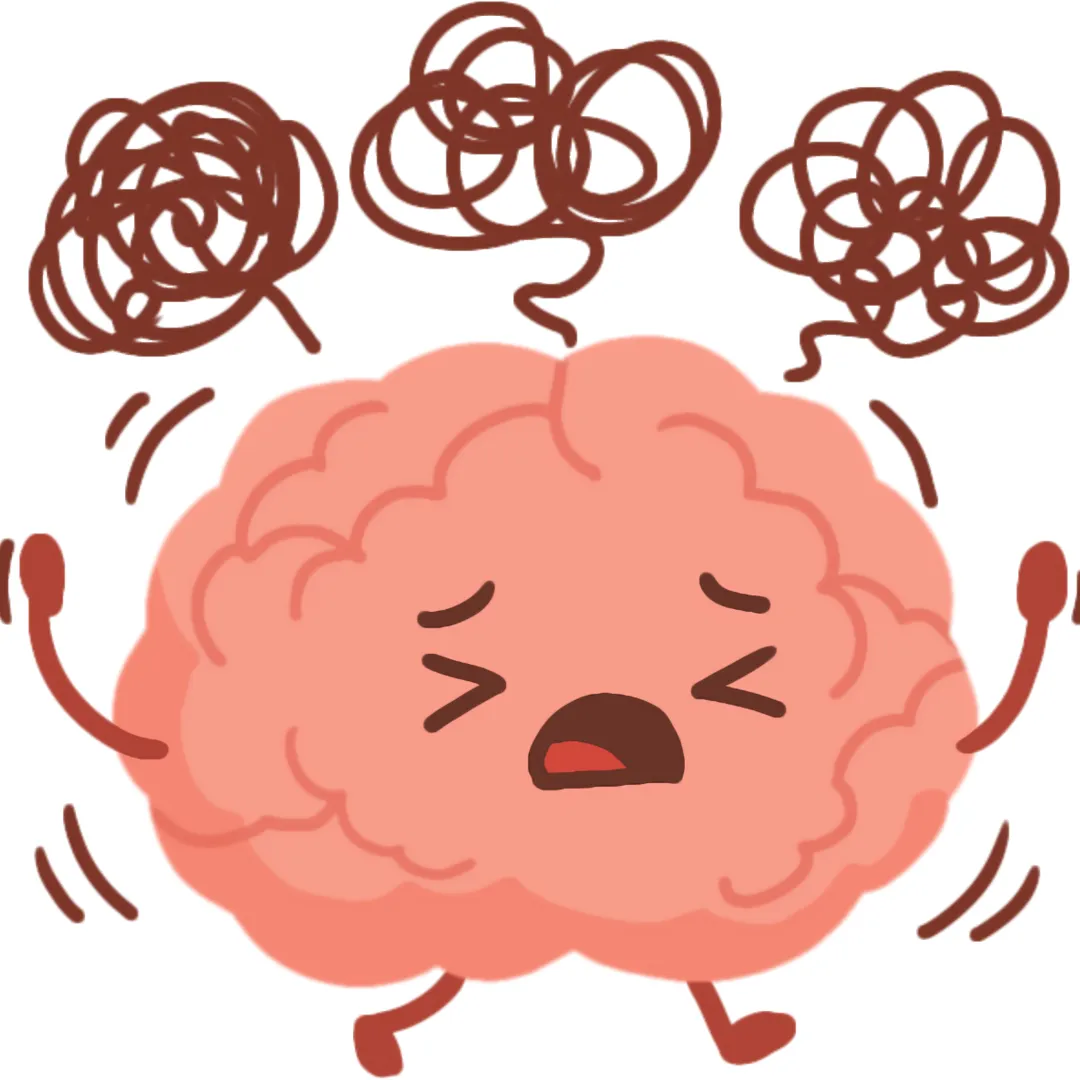
Have you ever felt like your own brain is sabotaging you? You know you need rest, yet your mind keeps racing. You're exhausted, but sleep won't come. You want to relax, but your thoughts won't slow down. If this sounds familiar, you're not alone – and more importantly, it's not your fault.
Your brain is doing exactly what it's been trained to do through months or years of chronic stress. The problem isn't your willpower or your ability to "just relax." The real issue lies in your brain's stress response system, which has essentially been hijacked by elevated cortisol levels.
The Stress-Brain Connection
When your cortisol levels stay high for too long, your brain adapts – but not in a good way. It's like a car alarm that goes off at the slightest touch. Your brain becomes hypersensitive to stress, leading to:
Constant mental chatter
Inability to wind down
Heightened anxiety
Poor sleep quality
Reduced mental clarity
Why Traditional Solutions Fall Short
Most stress management advice focuses on surface-level solutions: deep breathing, meditation, or exercise. While these tools are valuable, they don't address the underlying problem: your brain's altered stress response system.
It's like trying to patch a leaky pipe without turning off the water first. Until you reset your brain's stress response system, these solutions will only provide temporary relief.
The Cortisol-Brain Cycle
Here's what's really happening inside your head:
Chronic stress keeps cortisol levels elevated
High cortisol alters your brain's neural pathways
These changes make your brain more sensitive to stress
Increased sensitivity leads to more cortisol production
The cycle continues, getting stronger over time
Breaking Free From Your Brain's Stress Pattern
The good news? This cycle can be broken. Your brain has an amazing ability called neuroplasticity – it can create new neural pathways and break old patterns. But this requires the right approach:
Resetting cortisol levels
Rebuilding stress resilience
Retraining neural pathways
Restoring natural brain function
Maintaining long-term balance
Signs Your Brain Needs Help
Watch for these warning signals:
Racing thoughts at bedtime
Difficulty making decisions
Memory problems
Constant worry
Mental exhaustion
Emotional overwhelm
The Path to Recovery
Recovering from chronic stress isn't about trying harder to relax. It's about giving your brain the support it needs to rebuild healthy stress response patterns. This includes:
Understanding your unique stress triggers
Supporting your brain's natural healing processes
Creating sustainable lifestyle changes
Building new neural pathways
Maintaining long-term brain health
Real Recovery is Possible
Your brain isn't broken – it's just stuck in a stress pattern that you can change. With the right support and guidance, you can:
Reset your stress response system
Restore mental clarity
Improve sleep quality
Reduce anxiety
Increase stress resilience
Regain emotional balance
The key is addressing the root cause: your brain's altered stress response system. By resetting this system, you can finally break free from the exhausting cycle of chronic stress and reclaim your natural state of calm and clarity.
It's time to stop fighting against your brain and start working with it instead. The path to recovery begins with understanding what's really happening in your body and taking the right steps to restore balance.
Ready to stop your brain from working against you? Let's talk about how you can reset your stress response system and reclaim your natural state of calm.
Book your free Cortisol Recovery consultation today. Together, we'll create a plan to get your brain working for you again.
