
Prebiotic Foods: What You Need to Know
Prebiotic Foods: What You Need to Know
Eating the right foods can make a world of difference in your overall health. One area that is often overlooked is gut health. While probiotics have become an increasingly popular way to improve gut health, prebiotic foods should not be overlooked. Prebiotics are foods that feed the beneficial bacteria in our gut, which can help promote good digestion and regular bowel movements. Let’s dive into what you need to know about prebiotics and how they can benefit your gut health.
What Are Prebiotics?
Prebiotic foods are special kinds of dietary fiber that feed the “good” bacteria in your digestive system—known as probiotics—that are already present in your intestines. By feeding these good bacteria, prebiotics help them grow and multiply so they can do their job properly. A healthy balance of “good” bacteria helps keep your digestive system functioning well, making prebiotic-rich foods a great addition to any diet.
Where Do I Find Prebiotic Foods?
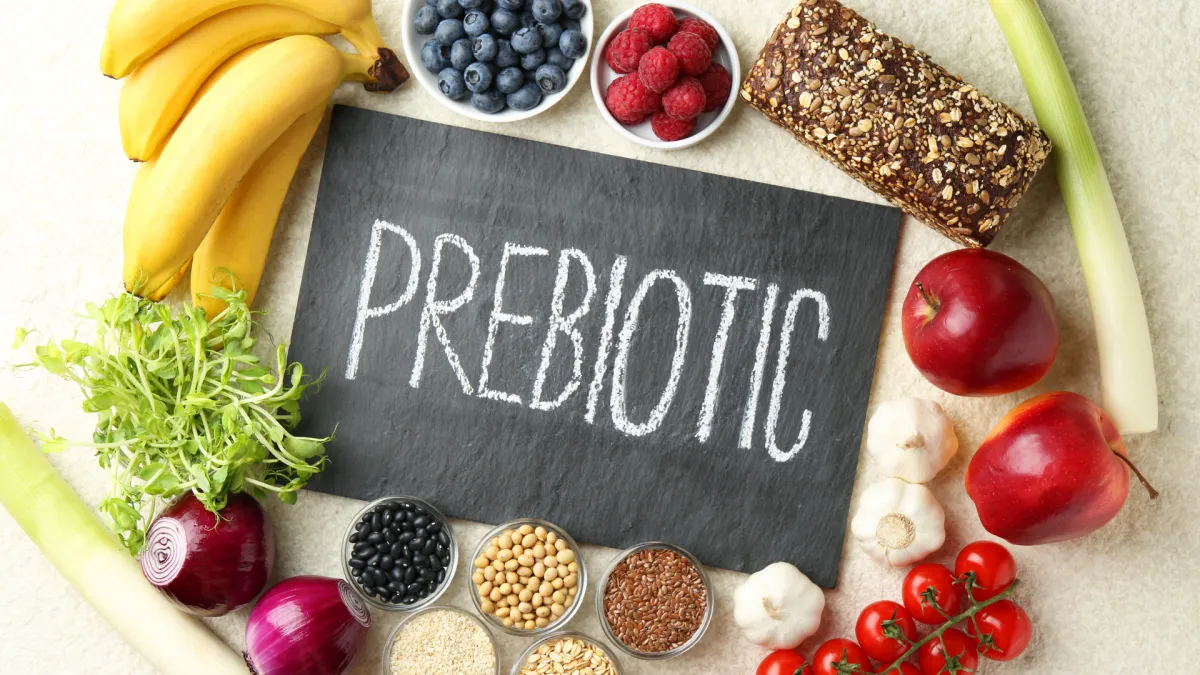
Prebiotic foods come from many different sources, including plants and animal products such as dairy. Plant-based sources include fruits, vegetables, legumes (beans), grains, nuts and seeds. In general, unrefined carbohydrates with a low glycemic index will provide the most benefit when it comes to prebiotics. Some examples of pre-approved plant-based sources of prebiotics include artichokes, garlic, onions, leeks, asparagus, bananas, and whole grains like oats or barley. Dairy products such as yogurt and kefir also contain natural probiotics that help promote gut health. (Always choose organic dairy!)
How Can I Incorporate Prebiotic Foods Into My Diet?
Incorporating more prebiotic-rich foods into your diet doesn’t have to be difficult! Start by looking for recipes that use some of the common sources listed above, like onions or garlic for flavoring or adding banana slices to breakfast cereal or oatmeal for extra sweetness and nutrition. You can also add cooked beans and legumes such as lentils or chickpeas to salads or soups for added texture and additional fiber content (which is beneficial for digestive health). Adding plain Greek yogurt containing live active cultures on top of fruit makes a great snack too!
Takeaway
Eating more prebiotic-rich foods is an easy way to support your gut health without having to take supplements or pills! By focusing on incorporating more plant-based sources such as fruits, vegetables, legumes (beans), grains, nuts & seeds into meals & snacks throughout the day, you can easily get enough prebiotic food into your diet while also enjoying their delicious flavors! And if you don’t eat dairy products like yogurt & kefir, there are still plenty of other options available that contain naturally occurring probiotics – so there really is something for everyone! So don't forget about adding some tasty prebiotic foods into your daily routine today - you'll be glad you did!
